


 Loading ...
Game Over: Video Games on the Silver Screen
 Video game based movies drag around an embarrassing history with a charm akin to a rotting corpse that was left in the sun, and frankly it’s not all that surprising. Some things own too much baggage to survive the transfer from medium to medium without dropping a few key items here and there, and oftentimes what does worm its way through the wreckage resembles a hideous mutant spawn that can barely manage intelligent human speech let alone impress anyone as some lovable lost puppy. Not much else needs to be said: Video game films are practically doomed from the start screen, much to the frustration of hundreds of controller-wielding fans.
 But why do video games suffer from such a notorious reputation? Is it a crummy budget, bad casting, or just a bad batch of filmmakers and so-called creative minds? Maybe. But we all know that there’s too many awful video game movies out there to blame it on a handful of random factors. Books seem to revel in the highest adaptation success rate, with comics close behind and gaining speed fast. So is it just the medium? Video games aren’t always known for stellar storytelling, but die-hard fans are eager and willing to take up arms to defend their beloved games that, well … don’t suck.
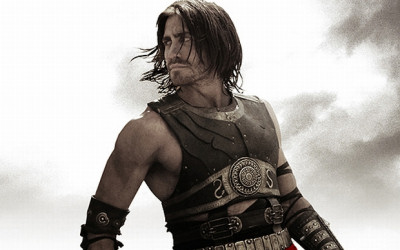
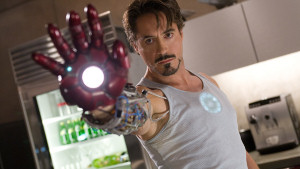
To narrow down the problem and then decapitate it with expert accuracy, perhaps straying into well-received examples from other mediums could teach us a thing or two. We might as well begin with two of the hottest comic book movies on record: The Dark Knight and Iron Man. It’s fair to say that both movies were extremely well-cast, smartly written and directed, and combined just the right amounts of humor and eye-popping action with drama and character. Neither film, however, took its plot straight from the page. In fact, Christopher Nolan scrounged together over seventy years of Batman comics history and chose a limited number of sources to draw heavily upon for his interpretation, and the consummation was uniquely his own. Even Iron Man adapted Tony Stark’s origin into something more modern. Not all video games have a library of material to offer filmmakers, but the two films do raise a crucial issue.
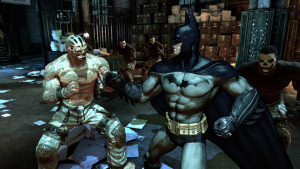
 Take Batman: Arkham Asylum or even X-Men Origins: Wolverine, for example. Comics haven’t always emerged from their transformation into video games with all their limbs intact, but the aforementioned games have surprised us more than some would like to admit. For the most part, Wolverine was an entertaining, hackin’ and slashin’ adventure, and it didn’t always follow the disastrous course of its movie counterpart. But Arkham Asylum, though its basic premise can be traced back to the graphic novel by the same name, was a creation unrelated to the Nolan films that utilized the essence of the comics to form a new and engaging storyline. Once again, they hit the right notes.
So let’s move on to one of the better albeit still groan-inspiring video game to movie adaptations, Silent Hill. First of all, there’s something wrong with a movie that tries to explain the mechanics of a town whose allure resides so much in enigmatic horror, and even more bad steps are taken when the film messes with the basics: the protagonist. You know, that Harry Mason guy? Lost his daughter? Not too bright, but we still love him anyway? I’m pretty sure he was never a woman named Rose, and I’m rather certain he never had a Lord of the Rings husband who led a search team through the fog-blanketed vicinity, either. The film sacrifices unquestionable essentials for ones that should have been discarded in the switch from the video game medium. While creating an atmosphere that contains the spirit of the original is a commendable and necessary feat, it’s important to remember that there’s more to a source than haunting or gritty visuals—otherwise, what’s there to tell in terms of plot? If director Christophe Gans had stopped at atmosphere and focused on the roots of the series instead of making it his mission to turn every bit and piece into a replica, then maybe the result would have been more movie and less video game wannabe.
 Filmmakers can’t get it out of their head that they’re dealing with a video game, and sometimes actors perform under the same ignorant cloud. The people who replaced “comic book movie” with “movie” struck success more often than failure, leading to the current rise and popularity of comic book films. Video games need a team who can adopt the same sort of philosophy. Rather than concentrating on the product that you play on a console, it’s more important to break it down into raw material that screenwriters, directors, and actors can understand and mold. From there, it’s more manageable to figure out how each element links together and which ones contribute to any flaws or downfalls of the game. It’s not a difficult process with the right individuals, but Hollywood can’t stop salivating over high-budget special effects, fateful box office numbers, and a quick fix for the industry to spend any precious time over a genuine endeavor at an adaptation in the most classic sense.
 Adaptations aren’t supposed to be word-for-word, scene-for-scene—any reasonable translator or linguist can tell you that. And maybe we, as fans, need to stop being so picky about every single detail in book, comic, and video games on the silver screen and remember that creating an adaptation is an art, not a scientific process. What holds real worth is what we fell in love with in the first place: a story and world that immerses us, a menagerie of characters, and the spirit of it all. Filmmakers shoulder the heaviest burden, but fans need to step back, provide them some leniency and breathing room, and keep in mind that pressuring them for perfection is as unrealistic and illogical as the phrase “perfect translation.” There’s a difference between perfect and flawless; flawlessness embodies the brilliant transfer into a separate medium, creating a pure yet intact work. Although the term implies more faith and loyalty than perhaps it’s fair to expect, at least it gives creators and audiences alike a general idea of where our priorities should lie.
Each medium has its restrictions and requires different methodology, but that’s the beauty of an adaptation: What one medium can’t do, another can.
[Ed. Note: WITA. also known as Stephanie Carmichael, is currently a guest writer at Spawn Kill! We can guarantee you'll want to sink your teeth into more of her work, which you can find here at her personal blog, RadNerd, Impulse Creations, and scattered all over the place at GEN! Thanks for stepping in, Stephanie!]


Discussion
Make sure to have a Gravatar linked to your email to have a unique avatar next to your name!
No responses to "Game Over: Video Games on the Silver Screen"
There are no comments yet, add one below.
Leave a Comment